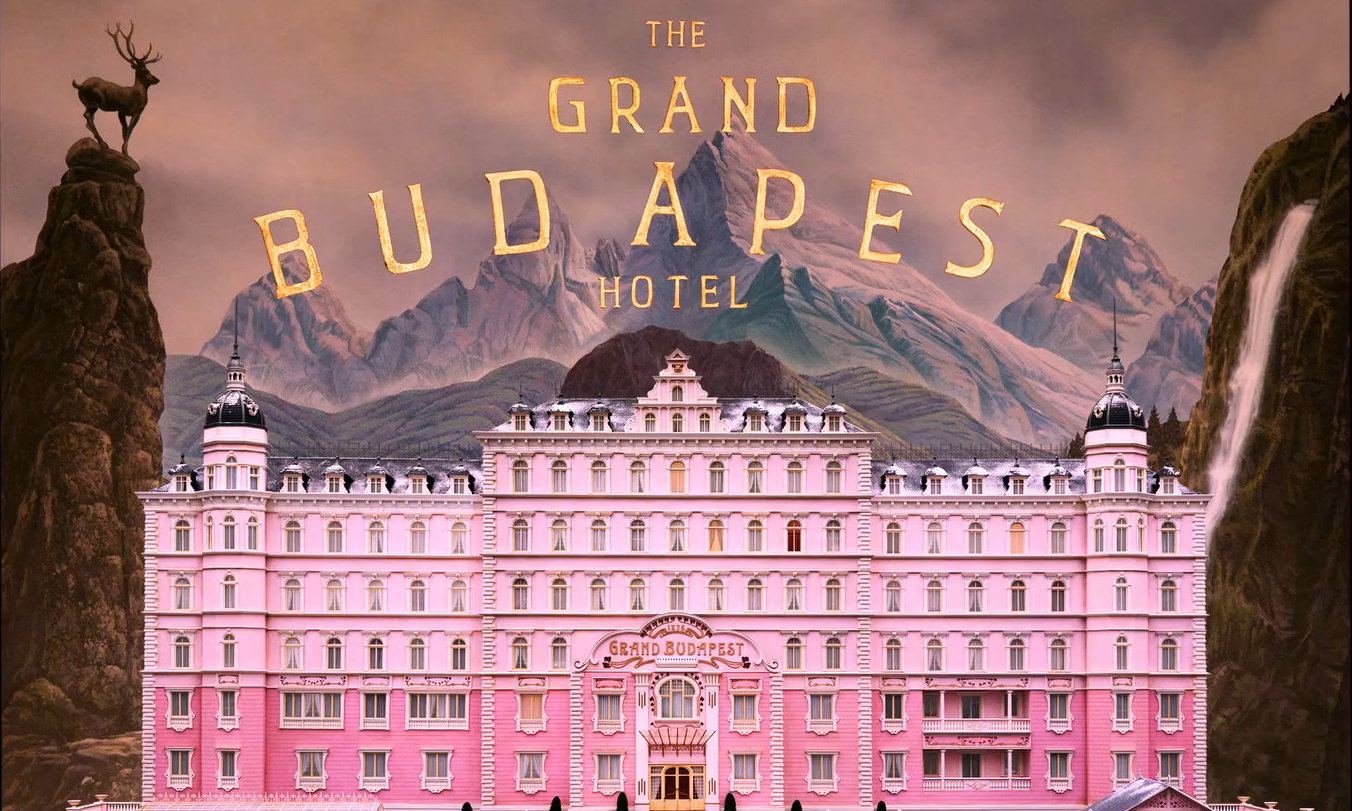
[Artistic] [No spoilers] The Grand Budapest Hotel [Impressions & Review]
Hello!
This time I thought I’d write about this one!
Contents
Before that…
There’s another film I got curious about while writing this review, so let me introduce it.
Isle of Dogs, by the same director as this film, won the Silver Bear at the Berlin International Film Festival!!
Going by the trailer it’s stop-motion and it looks like a lot of fun!
Synopsis
In 1932, the stately Grand Budapest Hotel is home to Gustave H., the man they call the “legendary concierge.” His creed is hospitality taken to its absolute limit, which extends to keeping the madams who stay there company at night, and a great many guests come to the hotel for him alone. Then his life changes overnight — “Madame D.,” a guest he had been close to for years, is murdered, and he is dragged into a fight over a priceless Renaissance painting and an enormous inheritance. Working the concierge network together with Zero the lobby boy, Gustave races around a European continent on the eve of war, out to solve the mystery with his pride on the line and defend the good name of the hotel!
https://filmarks.com/movies/55611
Impressions & review
I’ve used the articles below as references.
https://miyearnzzlabo.com/archives/18434
The distinctive shots that mark each timeline
There are four timelines in this film.
Most of it plays out in 1932, but each of those timelines is signalled by, of all things, the aspect ratio!
The story is set in the Republic of Zubrowka, a fictional country said to lie at the eastern edge of the European continent, and historical topics appear in it as parody. There are three timelines — 1932, 1968 and 1985 (four if you add the “present day” at the beginning and the end) — and the nested structure is expressed by switching between three aspect ratios: 1.33:1, 2.35:1 and 1.85:1.
— from Wikipedia
1985 (1.85:1)
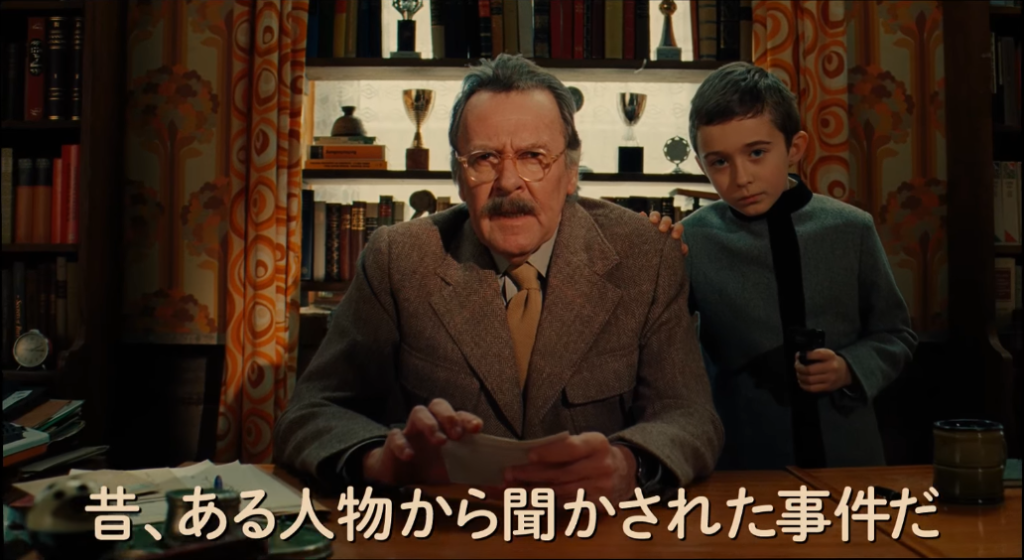
This is the one known as vista size, and most films today use it.
1968 (2.35:1)
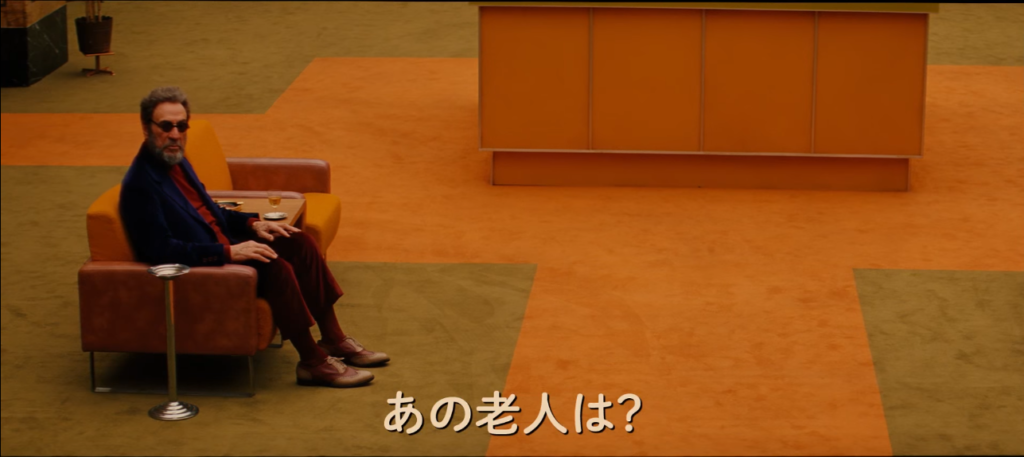
CinemaScope was the fashion back then, so apparently that’s why this ratio. And apparently they properly used old cameras for it too.
1932 (1.33:1)
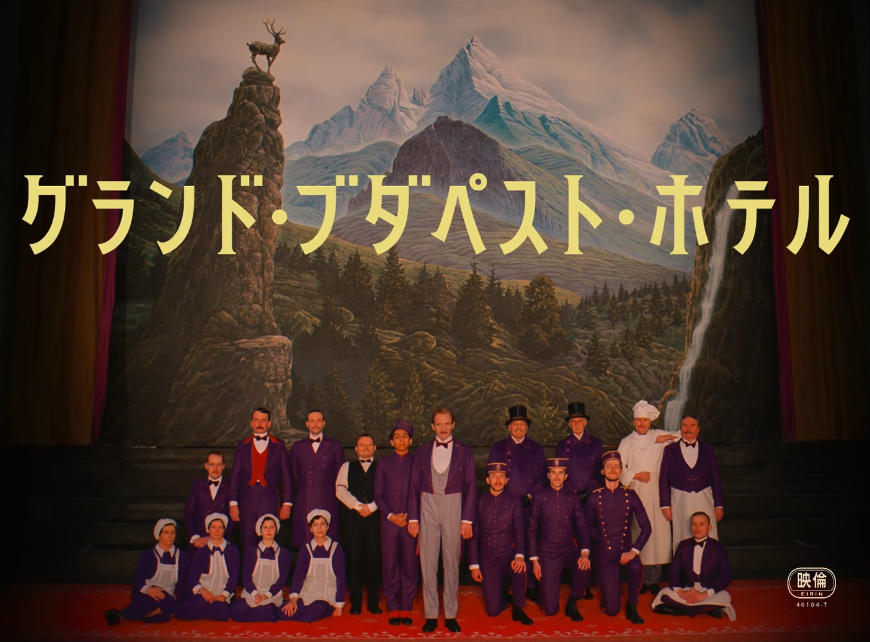
This one is what’s called the Academy ratio.
In 1929, sound arrived in cinema. To secure room on the film for the soundtrack (the part where the sound is stored), the width of the image was shaved down and the aspect ratio narrowed to 1.19:1.
Then in 1932 the Academy of Motion Picture Arts and Sciences held a vote, and the ruling came down that “if the width is getting cut, we may as well widen the space between frames instead,” so the aspect ratio widened to 1.37:1. At 1.37 it can sometimes be used interchangeably with 1.33.
The 1.37 born that way is what people commonly call the “Academy ratio” (1932). It held as the standard for a whole generation of cinema.
https://www.gizmodo.jp/2013/07/post_12640.html
A world all its own

Wes Anderson, the director of this film, has probably been influenced by Kubrick — those distinctive symmetrical compositions and so on.
Well, the man himself has come out and said so lol
And look at the hotel above! How do I put it. Isn’t it incredibly cute? lol
It’s fair to say this distinctive atmosphere is one of the things that make the film so appealing.
What Stefan Zweig wrote
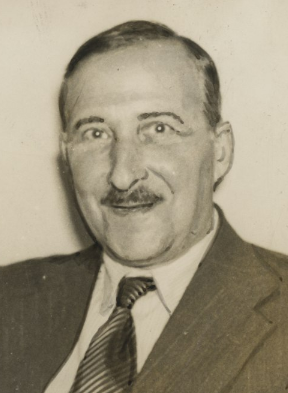
That’s Stefan Zweig.
He’s also said to be the man who built the image of Marie Antoinette we carry today, through a biographical novel.
Around 1930 he was the most famous writer in the world, but because he was Jewish, a great deal of his work was burned by Nazi Germany in the countries of Eastern Europe…
As a result he fled into exile in Brazil, and apparently took his own life there…
Hardly anyone knows this writer now. Because of the book burnings, maybe?
The director apparently came across one of Zweig’s novels by chance in a bookshop, and that made him decide to make this film.
It left me feeling oddly nostalgic
Partly down to the aspect ratio, maybe, but even though it’s a 2014 film I felt like I was watching something from way, way back lol
It also reminded me of a show called Pushing Daisies.
Suspense and comedy in perfect balance, the story rattling along without a wasted beat — an enormously charming film.